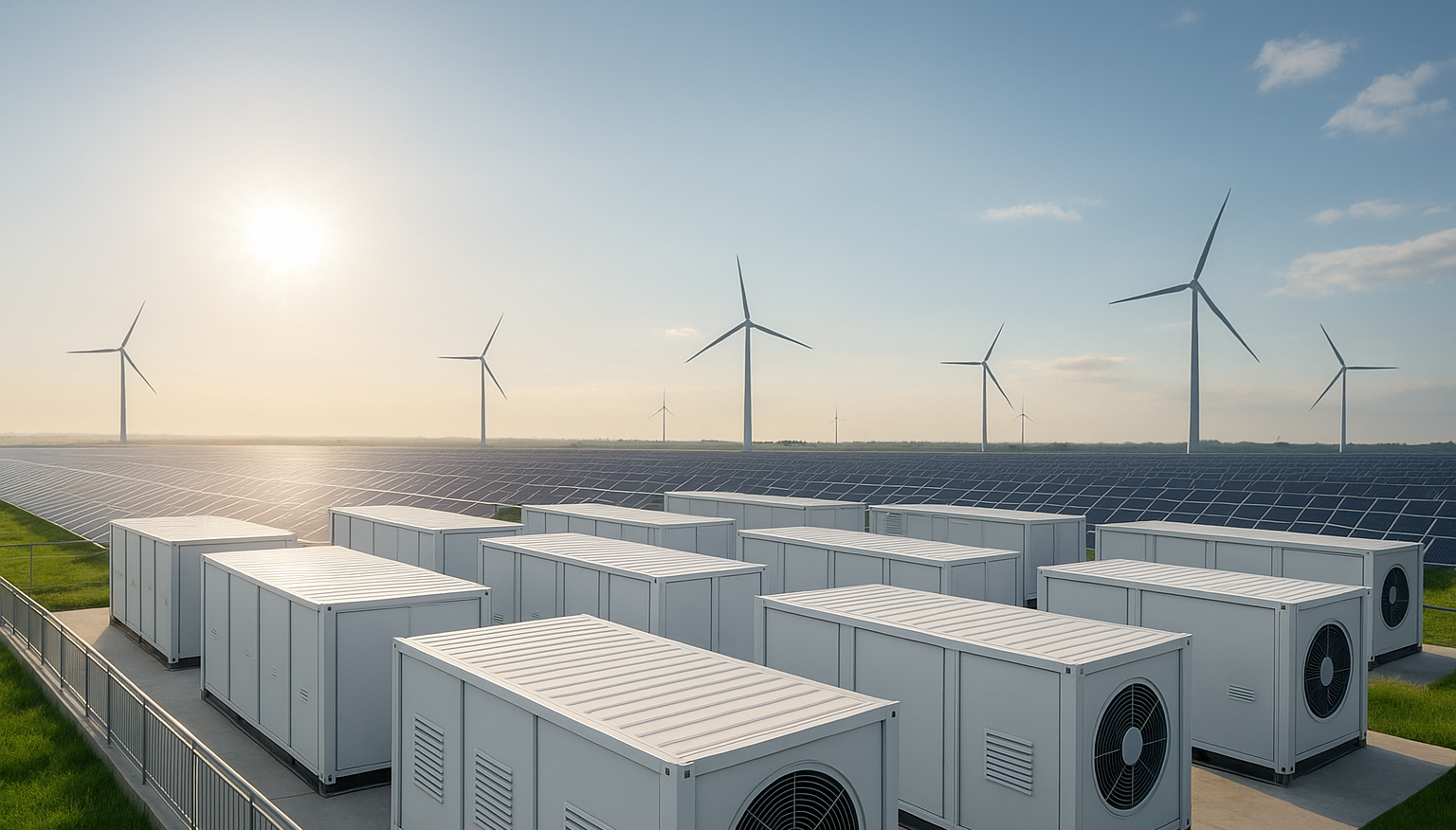
Increasing the value of your PV assets
Why co-located battery storage?
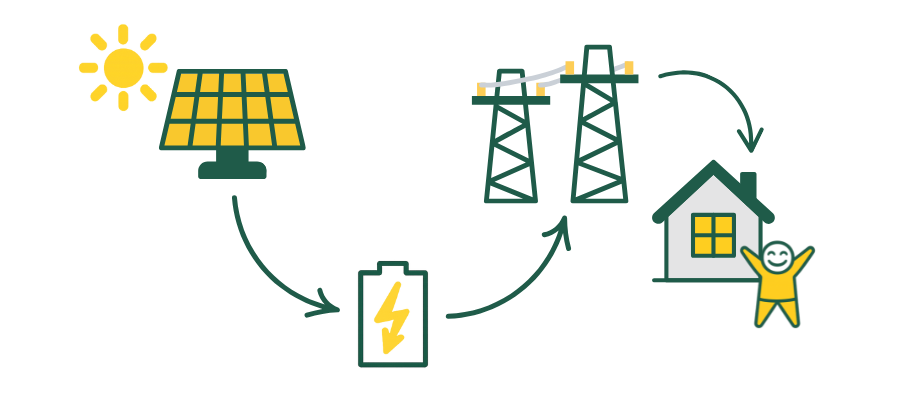
The rapid expansion of renewable energies is decarbonizing the energy sector—but it is also leading to price fluctuations and even negative prices, especially for PV and wind.
The result: more volatile cash flows and declining returns for existing energy parks.
This is where properly dimensioned “green energy storage systems” come in.
They shift the feed-in from your park to more economically attractive times, buffer surpluses during curtailments, and can also provide grid services.
A green energy storage system makes your energy park future-proof!
Do you have questions? We have the answers!
6 advantages of green energy storages

Higher electricity revenues and project returns (also for EEG-secured parks)

More reliable cash flows
Resilience to shutdowns and negative price hours
Simplified storage approval
Increased grid serviceability
Increased asset value
Our Portfolio

Financing:
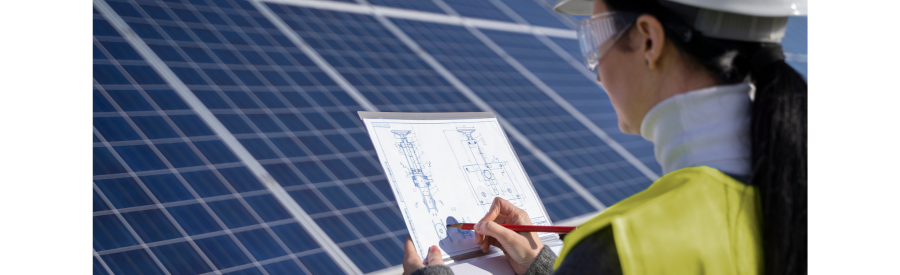
EPC Service:

Asset Commercialization:
Our references

Klötze II
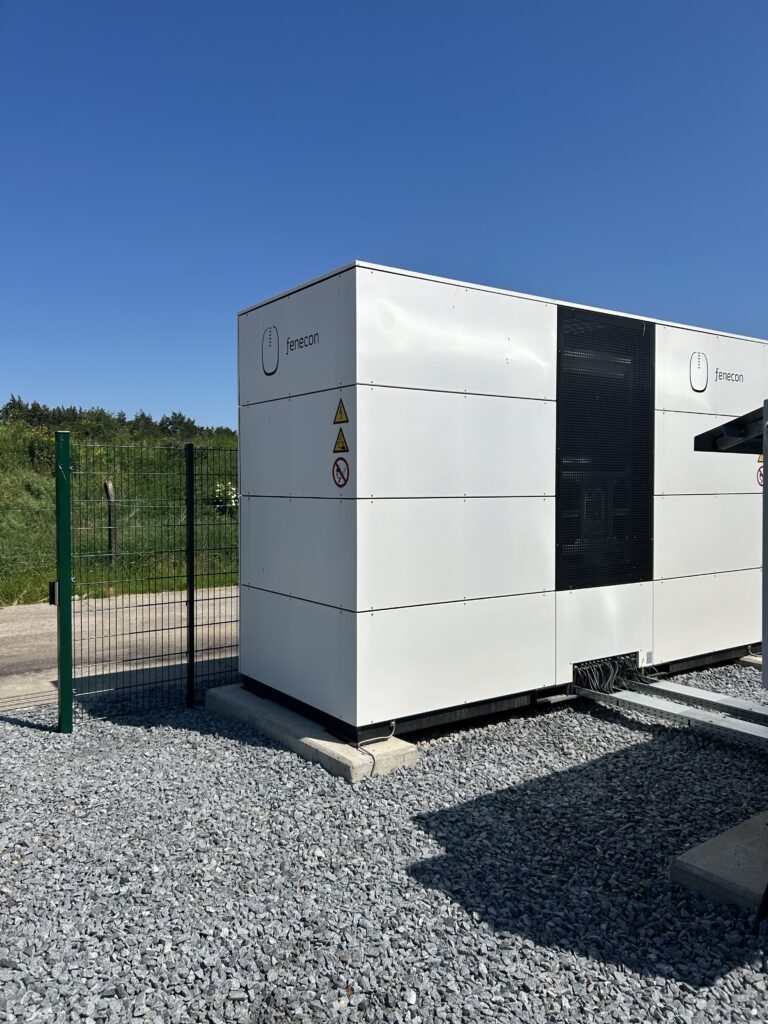
Wolkow Storage
Kerzlin
Seehausen
Ritze
You want to upgrade your PV park with a battery storage system?
FAQ Battery Storage System
When does a battery storage system become worthwhile?
A battery storage system is particularly worthwhile if energy is regularly lost because the energy park has to be curtailed due to grid bottlenecks or feed-in limitations. Instead of leaving this surplus energy unused, it can be temporarily stored in a storage facility and marketed at a later date. This increases the utilization rate of the plant and significantly improves its economic efficiency.
In addition, a storage facility can also pay off if additional sources of revenue are tapped – for example, through participation in the balancing energy market, price arbitrage in electricity trading, or the reduction of grid fees.
What is the difference between a green energy storage system and a gray energy storage system?
A green energy storage system is charged exclusively with electricity from renewable energy sources, such as a PV or wind farm. The stored electricity thus retains its “green” status and can be marketed as such. This is particularly important for operators who are bound by subsidy mechanisms or certifications.
A gray energy storage system, on the other hand, may also be charged with electricity from the public grid (e.g., from fossil fuel sources). While this makes the model more flexible, it also leads to more complex approval processes, tax issues, and difficult distinctions in marketing. In practice, the regulatory treatment of gray electricity storage facilities is often more complicated and risky.
Why is a green energy storage system useful?
A green energy storage system enables the optimal use of the electricity generated in a PV park. It prevents excess energy from being lost during grid bottlenecks or curtailments, thereby increasing the overall efficiency of the plant. It also opens up additional marketing options, as the stored electricity is still considered “green” and is in demand accordingly—for example, for companies with sustainability goals or for electricity products based on guarantees of origin.
Another advantage is that, since the storage system is clearly classified as renewable energy for regulatory purposes, approvals are generally easier to obtain and more legally secure than in the case of a gray energy storage system.
How should a battery storage system be sized?
The optimal size of a battery storage system depends heavily on the individual circumstances of the respective PV or wind farm. Important factors include output, typical feed-in profile, grid connection capacity, possible curtailments, and the planned marketing strategy.
In practice, this means that a storage system that is too small cannot fully exploit the potential of the farm, while a storage system that is too large can become uneconomical. Individual design is therefore necessary to achieve the best balance between technical performance and economic benefit.
We couldn´t answer all your questions? Reach out to us!